Solutions

Monitoring solutions for every frac program

Surface and downhole microseismic, fiber-optic DAS, and vertical seismic profiling — designed around your wells, processed in-house, and interpreted by people who understand completions.

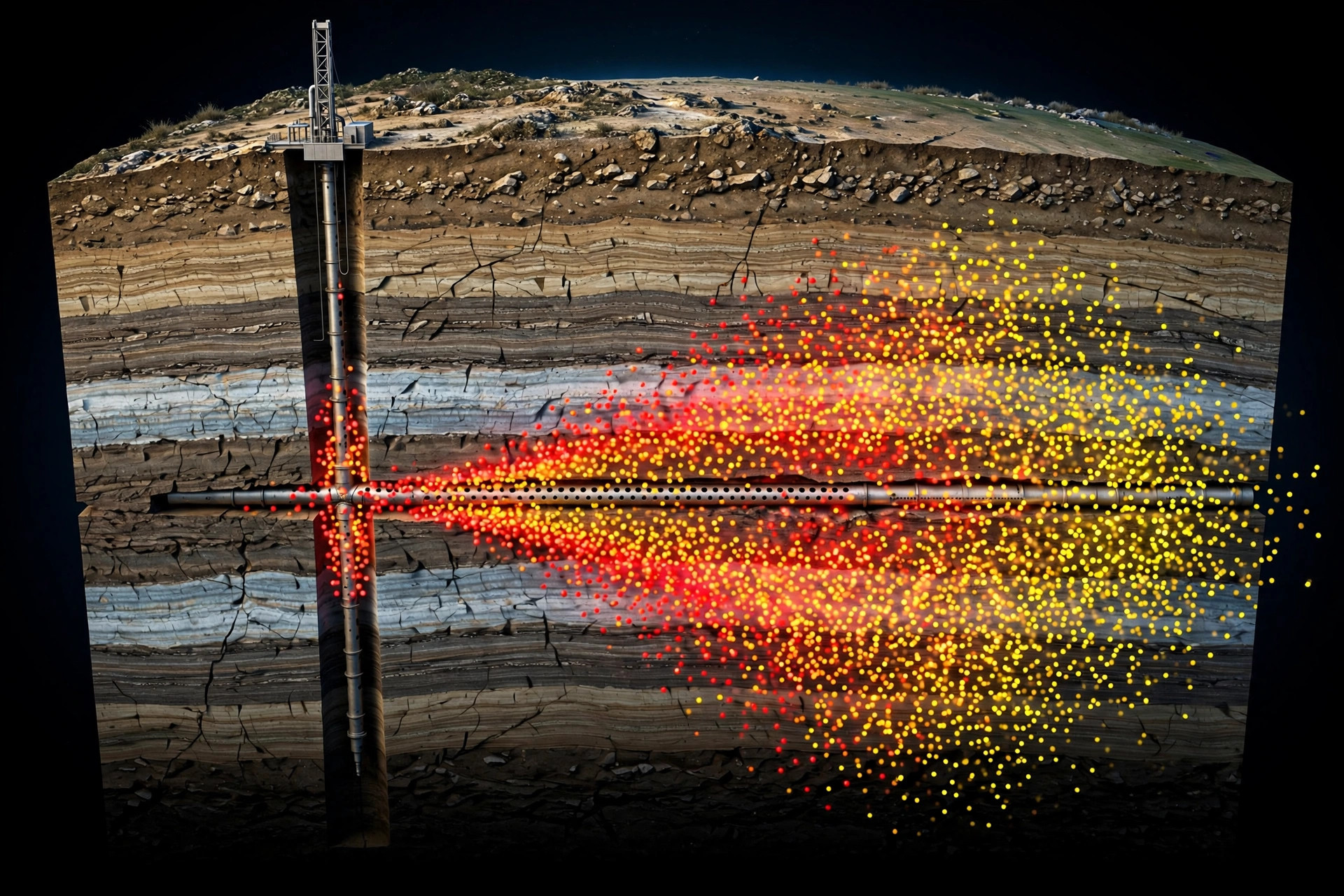
Microseismic Monitoring illustration

Microseismic Monitoring

Real-time detection, location, and interpretation of microseismic events during hydraulic fracturing — so you can see fracture growth as it happens.

  • Real-time event detection and location during frac stages
  • Magnitude estimation and source-mechanism analysis
  • Stimulated reservoir volume (SRV) mapping
  • Frac-hit and parent/child interaction diagnostics
  • Seismic data processing and interpretation reports
Discuss fracture mapping & event interpretation
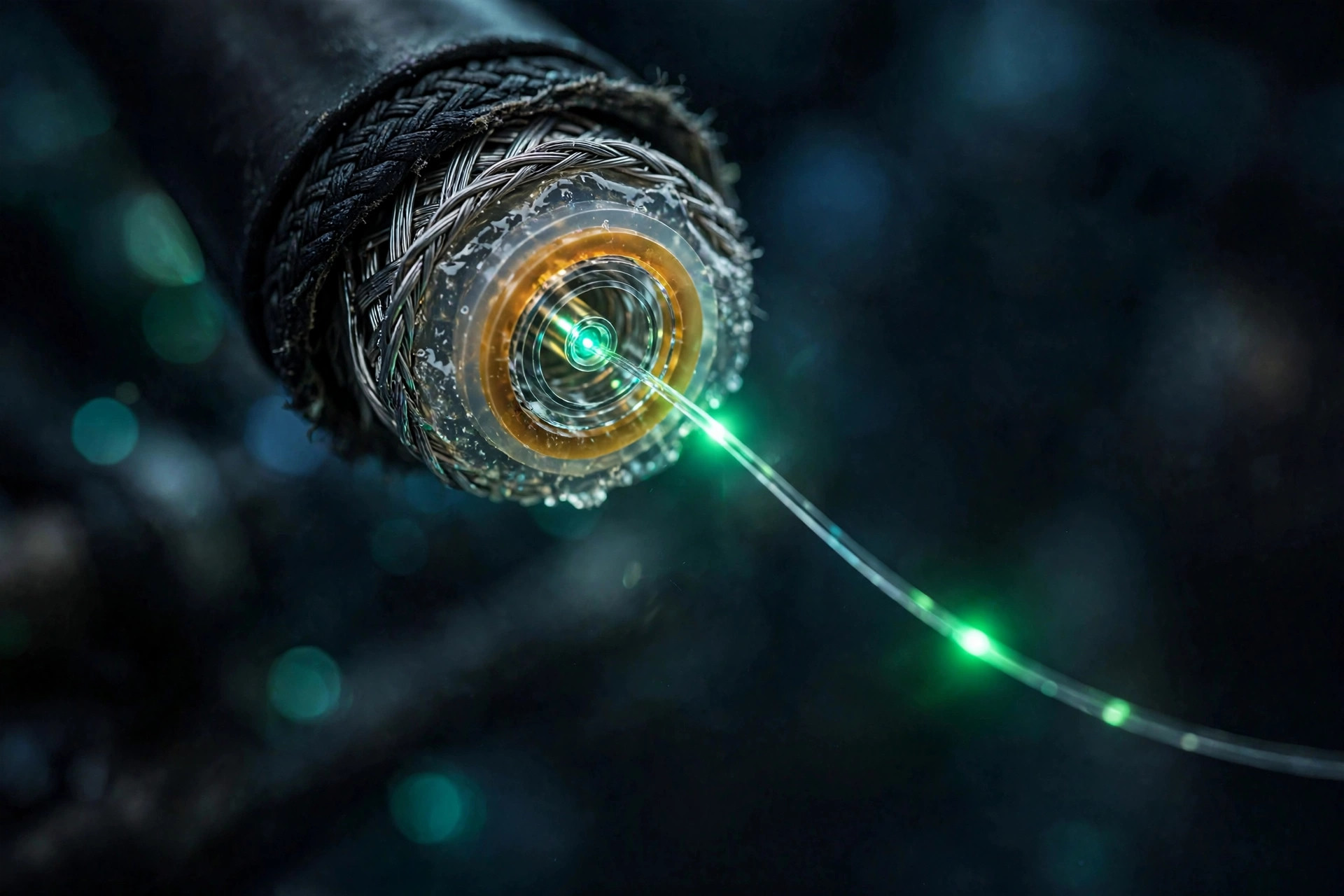
Distributed Acoustic Sensing (DAS) illustration

Distributed Acoustic Sensing (DAS)

Turn every meter of fiber into a sensor. DAS delivers continuous acoustic and strain measurements along the entire wellbore.

  • Continuous acoustic monitoring along the full wellbore
  • Cross-well strain and frac-hit detection
  • Perforation and cluster-efficiency diagnostics
  • Production and injection profiling
  • Integration with microseismic for a complete picture
Discuss fiber-optic acoustic monitoring
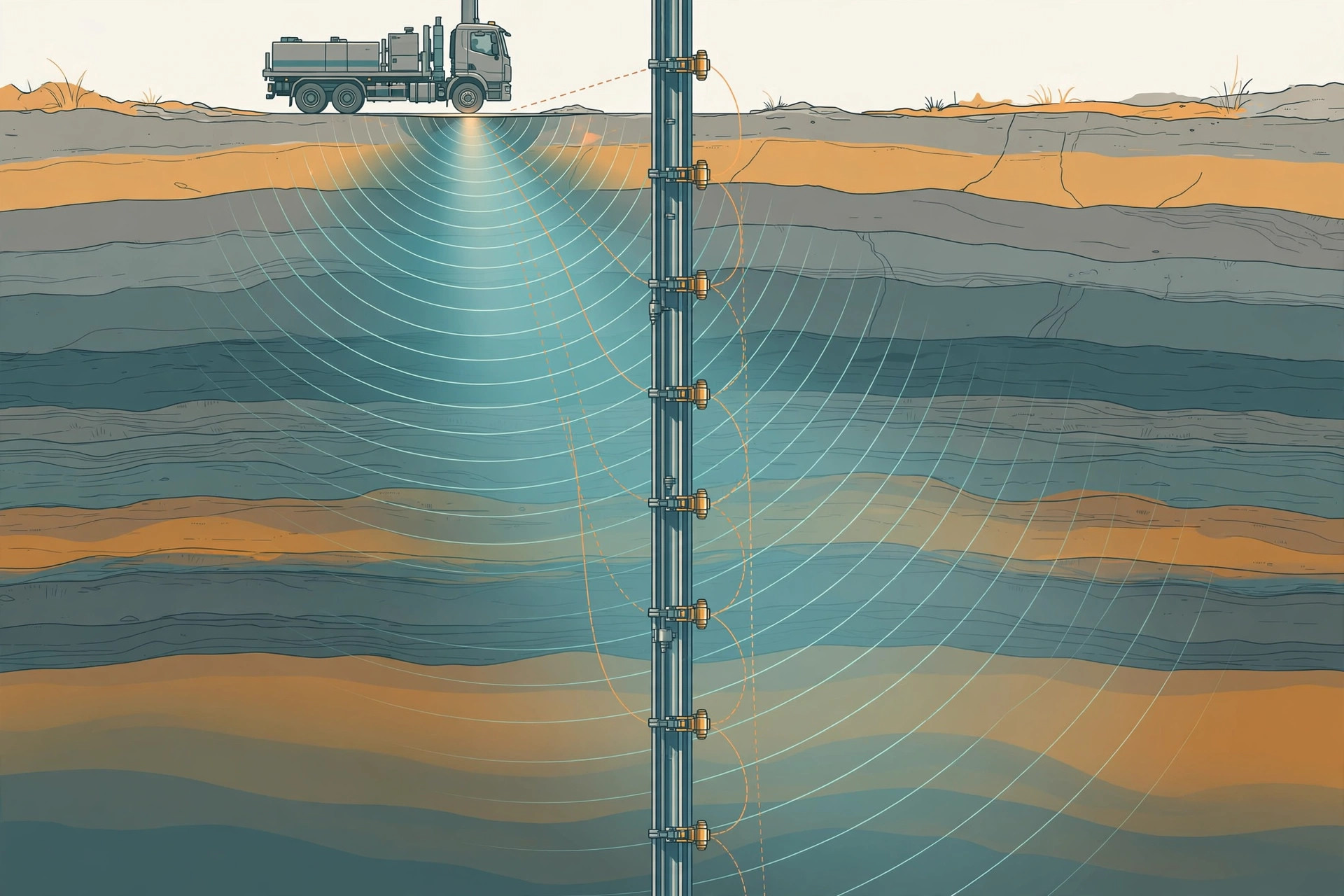
Vertical Seismic Profiling (VSP) illustration

Vertical Seismic Profiling (VSP)

Downhole geophones, surface sources, and high-resolution images around the wellbore — VSP bridges the gap between well logs and surface seismic.

  • Zero-offset, offset, walkaway, and 3D VSP survey design
  • Time-depth calibration tying well logs to surface seismic
  • Corridor stacks and high-resolution near-wellbore imaging
  • Shear-wave imaging with 3-component downhole arrays
  • Q estimation, anisotropy analysis, and AVO calibration
  • Salt-flank and fault imaging in complex geology
  • Fiber-based VSP (DAS) for cost-effective time-lapse surveys
  • In-house VSP processing and interpretation
Discuss borehole seismic imaging

Better together

Combine services for the full picture

Microseismic shows where the rock is breaking. DAS shows how energy and fluid move along the wellbore. VSP ties it all to depth with high-resolution images around the wellbore. Together, they close the loop between design and result.

Microseismic + DAS

Correlate event clouds with cross-well strain to distinguish productive fracture growth from frac hits on parent wells.

DAS + VSP

Pair continuous acoustic monitoring with borehole seismic images to calibrate velocity models and validate event locations.

Full surveillance

All three technologies on one program: the most complete stimulation diagnostic available for unconventional wells.

Talk to us about your next frac program

Tell us about your wells and monitoring goals — we'll recommend the right combination of microseismic, DAS, and VSP.